Before you choose
Start with a gap in your current setup. If you already have the measurements you need, another wearable may add little.
- Check comfort, charging and suitability for your activities.
- Confirm phone compatibility and which measurements the app can share.
- Compare the purchase price plus subscriptions, including what remains if you cancel.
- Check returns, data exports and account-deletion options before buying.
Battery and comfort: compare more than the claim
WHOOP advertises 14+ days, but Wareable’s three-way comparison reported 5–6. Test settings were not fully specified, so the gap is unresolved. Treat the headline figure as a claim, not a promise.
Tom’s Guide’s screen-free comparison highlighted WHOOP’s on-body charging and Fitbit Air’s light fit. Oura also appealed for discreet wear. The practical choice is between charging interruptions, comfort and paid features; check the charger included with your WHOOP tier.
Pixel vs Galaxy: seven steps should not decide it
In Tom’s Guide’s 4,000-step walk, Pixel counted 4,010 and Galaxy 4,017. Both were close; the seven-step gap is a weak buying argument. Their heart-rate readings diverged, but there was no reference monitor to settle which was right.
TechRadar’s urban GPS comparison found Pixel’s route traces strong, while pace still fluctuated. It covered only two runs against older Apple Watch Ultra 3 and fēnix 8 Pro models. For daily use, charging speed, phone requirements and coaching fees remain more dependable differences.
Apple vs Garmin: controls can matter as much as readings
TechRadar’s 30-minute run found average heart rates within 2 bpm of its chest monitor for both Ultra 4 and fēnix 9 Pro. In Tom’s Guide’s wet marathon, the reviewer preferred Garmin’s extra buttons and recorded less distance overrun. These tests used the Ultra and Pro variants, not the standard models above.
A separate Series 12 chest-strap comparison found close running and cycling readings, with more lag in strength and HIIT. Practical implication: match the device to your activities and controls; a close session average does not guarantee every interval is captured.
WHOOP vs Oura: workout detail or overnight context
Wareable’s comparison favoured WHOOP for strength-workout detail and flexible placement. Oura suited sleep and recovery, but the testers found lifting with the ring less comfortable. That supports choosing by your main activity, rather than counting shared metrics.
Tom’s Guide’s sleep comparison also preferred Oura’s detail and overnight comfort. Its comfort observations involved a bulky Apple Watch Ultra, so they do not establish the same result against Series 12. More detailed sleep scores do not prove greater accuracy.
What to take from these comparisons
The findings above are attributed to the original testers. No cited comparison tests all seven devices together, and results from older models or different variants are not substitutes for testing the exact device you buy.
- For structured outdoor training, weigh Garmin’s sessions, navigation and physical controls against its size and cost.
- For a smartwatch, compare Apple, Pixel and Galaxy within the phone ecosystem you use; check the extra cost of personalised coaching.
- For a screen-free tracker, WHOOP adds workout-load detail, Fitbit Air keeps core tracking simpler, and Oura focuses on sleep and recovery context.
Models, plans & requirements
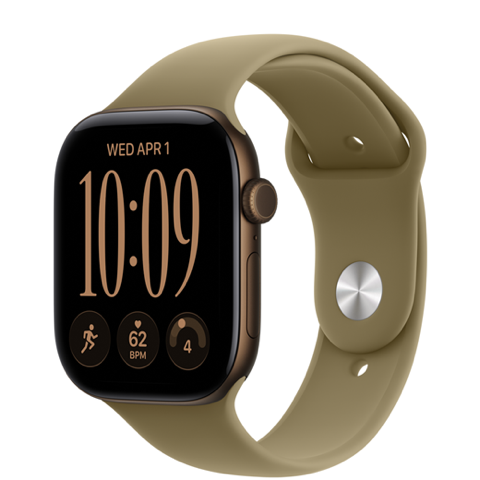
Apple Watch Series 12
iPhone only
No required fitness membership. Cellular service and Fitness+ are optional.
More detail
Custom workouts and Bluetooth cycling power make this more capable than a basic activity tracker. The trade-offs are frequent charging and health information split across apps.
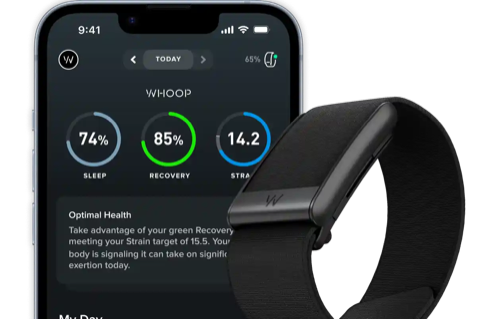
WHOOP 5.0 / MG
iPhone or Android
Membership is required. One and Peak use WHOOP 5.0; Life uses WHOOP MG.
More detail
Daily strain targets, strength-load estimates and the Journal are the main differentiators. Wrist-HR findings cited here come from a 2025 MG review, not a current seven-way test.
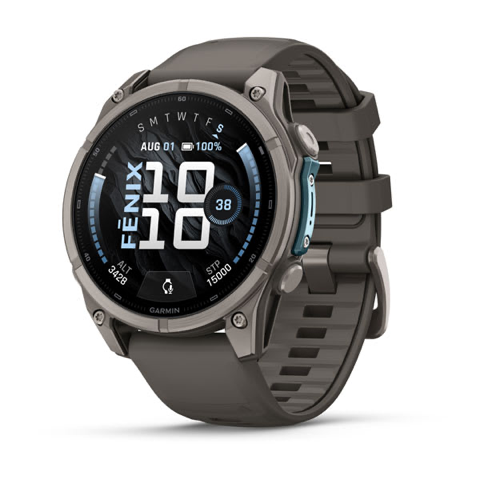
Garmin fēnix 9
iPhone or Android
47 mm standard AMOLED model used here. Core tracking has no required subscription.
More detail
The standard 47 mm model is the comparison basis. Its training and navigation tools are documented; cited accuracy testing used a separate 51 mm Pro and must not be treated as a test of this model.
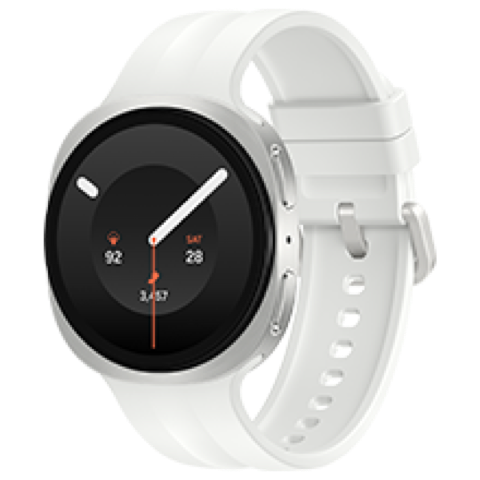
Galaxy Watch9
Android only
40 mm model used here. Some health functions require a compatible Galaxy phone.
More detail
Running Coach and BIA body-composition estimates add useful breadth. Check Galaxy-only functions and comfort; the cited smaller-watch comparison found slower charging than Pixel.
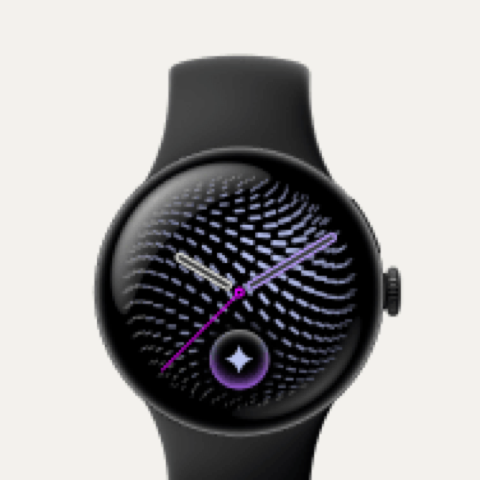
Pixel Watch 5
Android only
41 mm and 45 mm models. Google Health Premium and cellular service are optional.
More detail
The watch adds onboard GPS, a workout display, ECG hardware and cEDA sensing to Google Health. Premium coaching is extra. Published run and charging tests are observations, not a universal accuracy guarantee.
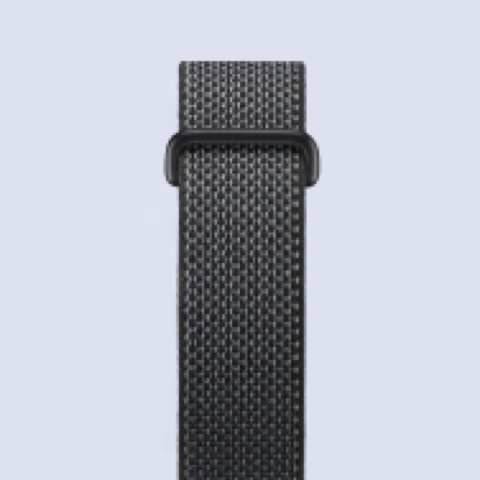
Google Fitbit Air
iPhone or Android
Core tracking does not require Premium. Routes need your phone.
More detail
The low-cost route into much of the same Google Health experience. Live HR and workout controls are on the phone; there is no onboard GPS, ECG or cEDA sensor.
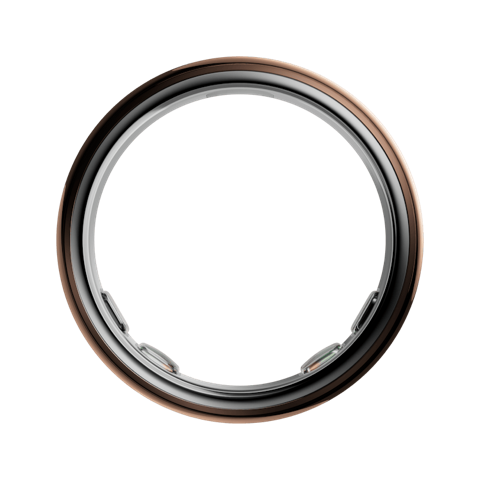
Oura Ring 5
iPhone or Android
Membership is needed for most detailed insights. Check ring size before buying.
More detail
Tags, discoveries and Rest Mode suit habit and recovery tracking. Live workout HR requires an external sensor; the ring’s HR is available afterward. Consider grip comfort for lifting.
Feature details & sources
Sources reviewed 3 November 2026
Assessment updated 3 November 2026. Specifications checked 2–3 November; published tests span different dates, firmware, sizes and people.
Review observations are attributed to their testers. No cited test covers all seven on one protocol; agreement between wearables does not establish accuracy.
Garmin performance testing cited here used a 51 mm fēnix 9 Pro, not the standard 47 mm model. WHOOP wrist-HR findings came from a 2025 MG review.
*Runtime and recharge figures are manufacturer claims with different test conditions. Always-on, GPS and normal-use modes are not directly comparable.
Regional eligibility and subscriptions affect health features. Product images illustrate the families, not necessarily the exact tested size or finish.
Head-to-head findings are integrated below the table. Some compare older or higher-tier variants; their results are not assigned to the standard models in this table. WHOOP endurance reports conflict, so its claim and the reported observation are shown separately.
Battery & charging
- Apple Watch Series 12: Apple’s normal-use runtime and stated fast-charge figure. Low Power Mode is a separate battery test. Apple Watch Series 12: specifications ↗ · T3: Apple Watch Series 12 hands-on review ↗
- WHOOP 5.0 / MG: WHOOP advertises 14+ days. Wareable’s August 2026 three-way comparison reported 5–6 days without full settings; reports disagree. On-body charging requires the appropriate accessory, which varies by membership. WHOOP: devices and membership tiers ↗ · Wareable: WHOOP 5.0, Oura Ring 5 and Hume Band compared ↗ · Tom’s Guide: Fitbit Air, WHOOP, Oura and Garmin Cirqa compared ↗
- Garmin fēnix 9: Standard 47 mm smartwatch-mode claim, not always-on GPS endurance. Do not substitute the reviewed 51 mm Pro’s runtime. Garmin fēnix 9: battery information ↗
- Galaxy Watch9: Samsung’s 40 mm always-on claim and full-charge estimate. These differ from real-world mixed use. Samsung Galaxy Watch9: features and specifications ↗
- Pixel Watch 5: Pixel’s 41/45 mm always-on claims and full-charge estimates. Galaxus also found faster charging than Galaxy, but reported different timings. Google Pixel Watch 5: specifications ↗ · Galaxus: Galaxy Watch9 vs Pixel Watch 5 ↗
- Google Fitbit Air: Fitbit’s stated runtime, dependent on use. Its screen-free format avoids smartwatch display power consumption. Google Fitbit Air: specifications ↗
- Oura Ring 5: Oura’s claims depend on ring size and use. Allow for regular charging if you want uninterrupted overnight records. Oura Ring 5: specifications ↗
Design & screen
- Apple Watch Series 12: Watch with an always-on touchscreen. Apple Watch Series 12: specifications ↗
- WHOOP 5.0 / MG: Screen-free band; review results in the phone app. WHOOP: devices and membership tiers ↗
- Garmin fēnix 9: AMOLED outdoor watch with buttons and maps. Garmin: introducing fēnix 9 ↗
- Galaxy Watch9: Wear OS watch with an AMOLED screen. Samsung Galaxy Watch9: features and specifications ↗
- Pixel Watch 5: Wear OS watch with an always-on display. Google Pixel Watch 5: specifications ↗
- Google Fitbit Air: Screen-free band. Tom’s Guide’s four-device comparison highlighted Fitbit Air’s light, discreet fit; comfort remains personal. Google Fitbit Air: specifications ↗ · Tom’s Guide: Fitbit Air, WHOOP, Oura and Garmin Cirqa compared ↗
- Oura Ring 5: Finger-worn tracker; feedback is in the Oura app. Oura Ring 5: specifications ↗
Phone & ongoing fees
- Apple Watch Series 12: Apple Watch requires a compatible iPhone; Fitness+ and cellular plans are optional. Apple Watch Series 12: specifications ↗
- WHOOP 5.0 / MG: One and Peak use WHOOP 5.0; Life uses MG. Features depend on tier. WHOOP: devices and membership tiers ↗ · WHOOP: phone requirements ↗
- Garmin fēnix 9: Core Garmin Connect and training tools do not need Connect+. Pro communication services have separate plans. Garmin Connect: official app listing ↗ · Garmin: Daily Suggested Workouts ↗ · Garmin: introducing fēnix 9 ↗
- Galaxy Watch9: Requires compatible Android software; some health functions need Galaxy hardware. Cellular plans cost extra. Samsung Galaxy Watch9: features and specifications ↗ · Samsung: Galaxy Watch9 training and health tools ↗
- Pixel Watch 5: Google Health core tracking is free; eligible personalised coaching needs Premium. Google Pixel Watch 5: specifications ↗ · Google Health: features and optional Premium ↗
- Google Fitbit Air: Air’s core Google Health tracking works without Premium. Personalised plans are a paid option. Google Fitbit Air: specifications ↗ · Google Health: features and optional Premium ↗
- Oura Ring 5: Oura continues to work without membership, but detailed insights are substantially limited. Oura Ring 5: specifications ↗ · Oura: membership ↗
GPS & live display
- Apple Watch Series 12: Watch-side workouts and onboard GPS work without carrying the phone; supported Bluetooth cycling sensors add power and cadence. Apple Watch Series 12: specifications ↗ · Apple: cycling accessories and power ↗
- WHOOP 5.0 / MG: WHOOP shows live effort in its phone app. Route recording uses phone GPS, so it does not replace a standalone navigation watch. WHOOP: how the daily Strain Target works ↗ · WHOOP: Strain Coach and GPS ↗
- Garmin fēnix 9: Garmin adds onboard mapping and physical controls for following a route during an activity. Pro messaging is a separate capability. Garmin: introducing fēnix 9 ↗ · Garmin fēnix 9: owner’s manual ↗
- Galaxy Watch9: Onboard dual-frequency GPS and guided running sessions supply feedback on the wrist. Samsung Galaxy Watch9: features and specifications ↗ · Samsung: Galaxy Watch9 training and health tools ↗
- Pixel Watch 5: Pixel provides onboard GPS and wrist feedback. TechRadar found strong route traces in two urban runs against Ultra 3 and fēnix 8 Pro; pace still fluctuated. Those rivals are older than the models here. Google Pixel Watch 5: specifications ↗ · Google Health: features and optional Premium ↗ · TechRadar: Pixel, Apple and Garmin GPS on the London Marathon route ↗
- Google Fitbit Air: Air displays live heart rate and workout controls on the phone, and can broadcast heart rate to compatible equipment. GPS routes require the phone. Android Central: Fitbit Air hands-on review ↗ · Google Health: GPS on Fitbit devices ↗
- Oura Ring 5: Oura’s app shows phone-GPS routes, but the ring does not stream live heart rate to the screen. That requires a compatible external monitor; ring heart rate appears afterward. Oura: Live Activity Tracking requirements ↗
Training guidance
- Apple Watch Series 12: Apple combines custom sessions, training load and Readiness. Bluetooth cycling accessories add power and cadence. Apple Watch Series 12: specifications ↗ · Apple: cycling accessories and power ↗
- WHOOP 5.0 / MG: WHOOP adjusts an exertion target using recovery and accumulated strain. Strength Trainer can use sets, reps and weights; it estimates load, not muscle damage. WHOOP: how the daily Strain Target works ↗ · WHOOP: how muscular load is calculated ↗
- Garmin fēnix 9: Garmin links training readiness and load to running or cycling suggestions. Core workout guidance does not require Connect+. Garmin: Daily Suggested Workouts ↗ · Garmin: training readiness inputs ↗ · Garmin Connect: official app listing ↗
- Galaxy Watch9: Galaxy Watch9 offers a 3–5-week running programme and Daily Cardio Load, rather than only recording completed runs. Samsung: Galaxy Watch9 training and health tools ↗
- Pixel Watch 5: Google Health supplies weekly cardio targets; personalised plans and coaching require Premium. Google Health: features and optional Premium ↗
- Google Fitbit Air: Air uses the same Google Health planning service as Pixel Watch. Buying the watch does not unlock Premium coaching automatically. Google Health: features and optional Premium ↗ · Google Fitbit Air: specifications ↗
- Oura Ring 5: Oura adjusts activity goals and can pause them in Rest Mode. Its focus differs from a watch delivering a structured session on your wrist. Oura Ring 5: specifications ↗ · Oura: Rest Mode ↗
Sleep & recovery
- Apple Watch Series 12: Apple’s sleep score weights duration, bedtime consistency and interruptions. Readiness and Vitals provide separate daily context; more frequent sensing does not validate every score. Apple: what the sleep score measures ↗ · Apple Watch Series 12: specifications ↗ · T3: Apple Watch Series 12 hands-on review ↗
- WHOOP 5.0 / MG: Sleep Planner uses estimated baseline need, strain, sleep debt and naps to suggest bedtime. Recovery connects to an effort target that changes through the day. WHOOP: Sleep Planner and estimated sleep need ↗ · WHOOP: how the daily Strain Target works ↗
- Garmin fēnix 9: Garmin combines recent load, recovery time, HRV, sleep and stress. This is more training-specific context than a sleep score alone. Garmin: training readiness inputs ↗ · Garmin fēnix 9: owner’s manual ↗
- Galaxy Watch9: Samsung combines Energy Score, sleep coaching and Daily Cardio Load. These are estimates, not directly interchangeable with another brand’s score. Samsung: Galaxy Watch9 training and health tools ↗ · Samsung Galaxy Watch9: features and specifications ↗
- Pixel Watch 5: Pixel puts recovery and weekly activity in Google Health; Premium adds personalised explanations and plans. Google Health: features and optional Premium ↗ · Google Pixel Watch 5: specifications ↗
- Google Fitbit Air: Air shares Google Health’s software, but lacks Pixel’s ECG and continuous skin-conductance sensor. Similar app screens do not mean identical inputs. Google Health: features and optional Premium ↗ · Android Central: Fitbit Air hands-on review ↗ · Google Pixel Watch 5: specifications ↗
- Oura Ring 5: Oura includes time asleep versus time in bed, time to fall asleep and sleep timing among its score contributors. Rest Mode can pause activity goals. These are estimates, not proof of more accurate sleep staging. Oura: Sleep Score contributors ↗ · Oura: Rest Mode ↗
Useful extras
- Apple Watch Series 12: Apple’s wider app and health ecosystem is useful, but T3 found information split across Health, Fitness and other apps. Apple Watch Series 12: specifications ↗ · T3: Apple Watch Series 12 hands-on review ↗
- WHOOP 5.0 / MG: WHOOP links logged behaviours with changes in recovery. It requires consistent logging; an association does not identify a cause. WHOOP: Journal and behaviour insights ↗
- Garmin fēnix 9: Garmin’s advantage is the combined training, energy and navigation toolkit. It may be more than you need for everyday activity. Garmin: introducing fēnix 9 ↗ · Garmin fēnix 9: owner’s manual ↗
- Galaxy Watch9: Samsung adds body-composition estimates rather than another activity score. BIA has eligibility and measurement limitations; some other health tools require Galaxy hardware. Samsung: body-composition estimates ↗ · Samsung: Galaxy Watch9 training and health tools ↗
- Pixel Watch 5: Pixel includes continuous skin-conductance sensing for body response and ECG hardware. Availability and eligibility vary. Google Pixel Watch 5: specifications ↗
- Google Fitbit Air: Air offers a vibrating Smart Wake alarm and lightweight sleep tracking without requiring a smartwatch or Premium subscription for core data. Android Central: Fitbit Air hands-on review ↗
- Oura Ring 5: Oura can surface associations between eligible tags and sleep or recovery metrics. Custom and repeating tags are excluded from discoveries. Oura: tags and Discovery Hub ↗
Workout HR evidence
- Apple Watch Series 12: Tom’s Guide compared Series 12 with a Garmin HRM 600: close on most outdoor runs and an interval ride, with more lag and occasional errors during strength and HIIT. This is stronger evidence than watch-to-watch agreement, but still one tester. Tom’s Guide: Apple Watch Series 12 vs a chest strap across workouts ↗
- WHOOP 5.0 / MG: Wareable’s MG tests overshot or undershot a chest strap depending on the activity. This was a 2025 test, not a current firmware-controlled comparison. Wareable: WHOOP 5.0 / MG hands-on review ↗
- Garmin fēnix 9: Tom’s Guide found the 51 mm Pro close to a chest strap on runs and rides. That does not establish the accuracy or endurance of this standard 47 mm model. Tom’s Guide: fēnix 9 Pro hands-on review ↗
- Galaxy Watch9: Galaxus reported more erratic readings on Galaxy than Pixel in some workouts. Its reference was another watch, so the comparison cannot establish absolute accuracy. Tom’s Guide also found divergent HR readings in its walk comparison, but had no HR reference, so it cannot identify the accurate watch. Galaxus: Galaxy Watch9 vs Pixel Watch 5 ↗ · Tom’s Guide: Pixel Watch 5 vs Galaxy Watch9, 4,000-step walk ↗
- Pixel Watch 5: TechRadar found only small heart-rate deviations against a Polar H10 during a run. That does not establish performance for every sport or person. TechRadar: Pixel Watch 5 hands-on review ↗
- Google Fitbit Air: Android Central reported similar workout readings to a Garmin Venu 4. Without a reference chest strap, this is a useful observation, not accuracy validation. Android Central: Fitbit Air hands-on review ↗
- Oura Ring 5: Wareable found close average heart rate in one sustained indoor ride. This does not establish performance during intervals or gripping exercises. Wareable: Oura Ring 5 hands-on review ↗
Main compromise
- Apple Watch Series 12: T3’s main reservations were charging frequency and fragmented health information, despite strong workout tracking. T3: Apple Watch Series 12 hands-on review ↗
- WHOOP 5.0 / MG: Membership is ongoing. The cited 2025 MG review also found variable wrist HR during exercise; later software and different placements may behave differently. Wareable: WHOOP 5.0 / MG hands-on review ↗ · WHOOP: devices and membership tiers ↗
- Garmin fēnix 9: The premium case and outdoor tools are worthwhile only if you will use them. Standard, Pro and solar models have different features. Garmin: introducing fēnix 9 ↗
- Galaxy Watch9: Galaxus found Galaxy slower to charge and bulkier overnight than the smaller Pixel. Comfort is individual; some health tools need a Galaxy phone. Galaxus: Galaxy Watch9 vs Pixel Watch 5 ↗ · Samsung: Galaxy Watch9 training and health tools ↗
- Pixel Watch 5: Galaxus preferred Pixel’s comfort and charging, but noted sunlight reflections. Personalised Google Health coaching still requires Premium. Galaxus: Galaxy Watch9 vs Pixel Watch 5 ↗ · Google Health: features and optional Premium ↗
- Google Fitbit Air: Air’s lower-cost approach retains the app’s core tracking but removes the workout screen, onboard GPS and Pixel’s extra sensor types. Android Central: Fitbit Air hands-on review ↗ · Google Health: GPS on Fitbit devices ↗
- Oura Ring 5: Wareable found the ring uncomfortable for lifting. Live workout HR requires another sensor, and most detailed insights require membership. Wareable: Oura Ring 5 hands-on review ↗ · Oura: Live Activity Tracking requirements ↗ · Oura: membership ↗ · Wareable: WHOOP 5.0, Oura Ring 5 and Hume Band compared ↗
Sources
Manufacturer documentation, published reviews and head-to-head tests assessed on 3 November 2026. Well & Able has not tested these devices. Outcomes are attributed to the original publications, with model, reference and test limits stated.
- Apple Watch Series 12: specifications ↗
Features, iPhone requirements and battery test conditions.
- WHOOP: devices and membership tiers ↗
WHOOP 5.0 and MG, tracking and membership differences.
- WHOOP: Strain Coach and GPS ↗
Routes use the phone’s GPS; WHOOP has no built-in GPS.
- WHOOP: phone requirements ↗
Supported iOS and Android versions.
- Garmin: introducing fēnix 9 ↗
Current range, training and navigation features; Pro features differ.
- Garmin fēnix 9: battery information ↗
Battery figures by case size, display and operating mode.
- Garmin Connect: phone compatibility ↗
Compatible iPhone and Android software.
- Garmin Connect: official app listing ↗
Free core app and optional purchases.
- Samsung Galaxy Watch9: features and specifications ↗
Watch9 sizes, Android requirements, GPS and battery conditions.
- Google Pixel Watch 5: specifications ↗
Phone compatibility, screen, GPS and size-specific battery figures.
- Google Fitbit Air: specifications ↗
Screen-free design, phone support and battery life.
- Google Health: GPS on Fitbit devices ↗
Fitbit Air uses connected phone GPS.
- Google Health: features and optional Premium ↗
Core tracking, Google Health Premium and regional coaching availability.
- Oura Ring 5: specifications ↗
Ring format, sleep and readiness, phone compatibility and battery conditions.
- Oura: membership ↗
Membership access and limits after cancellation.
- Oura: location services for activities ↗
Activity routes rely on phone location services.
- Garmin fēnix 9: owner’s manual ↗
Training readiness, Body Battery, activities and workout tools.
- T3: Apple Watch Series 12 hands-on review ↗
Series 12 compared with fēnix 9 Pro. Agreement between watches is not a chest-strap validation.
- Wareable: WHOOP 5.0 / MG hands-on review ↗
MG wrist heart rate compared with a Garmin chest strap in 2025. Results varied by activity; later software may differ.
- Galaxus: Galaxy Watch9 vs Pixel Watch 5 ↗
40 mm Galaxy and 41 mm Pixel: charging, comfort, heart rate and GPS. Workout comparison used another watch, not a laboratory reference.
- TechRadar: Pixel Watch 5 hands-on review ↗
Includes a run comparison with a Polar H10 chest strap. Not a seven-device controlled trial.
- Android Central: Fitbit Air hands-on review ↗
Phone-based workout controls, live heart rate, Smart Wake and comparisons with other wearables.
- Wareable: Oura Ring 5 hands-on review ↗
Steady indoor cycling compared with a chest strap; lifting comfort and sleep observations. Another consumer sleep device is not a sleep-lab reference.
- Tom’s Guide: fēnix 9 Pro hands-on review ↗
51 mm Pro model tested against a chest strap. Its results and 10–11-day battery observation are not measurements of the standard 47 mm model in this table.
- WHOOP: how muscular load is calculated ↗
Distinguishes automatic estimates from exercise logging and live sets, reps and weights.
- WHOOP: how the daily Strain Target works ↗
Recovery-based effort targets that adjust during the day; not a measure of muscle damage.
- WHOOP: Journal and behaviour insights ↗
Habit logging and associations with physiological data; associations do not establish causation.
- Garmin: Daily Suggested Workouts ↗
Lists fēnix 9 support and explains adaptive running and cycling workout suggestions.
- Garmin: training readiness inputs ↗
Sleep history, HRV, recovery time, acute load and stress contribute to readiness.
- Apple: cycling accessories and power ↗
Bluetooth power meters and cadence sensors; useful beyond basic workout recording.
- Samsung: Galaxy Watch9 training and health tools ↗
Running Coach, daily cardio load and feature-specific phone and regional conditions.
- Samsung: body-composition estimates ↗
BIA estimates and important eligibility and measurement limitations; not a clinical body-composition assessment.
- Oura: Live Activity Tracking requirements ↗
Phone GPS supplies routes. The ring supplies post-workout heart rate; live heart rate needs a compatible external sensor.
- Oura: tags and Discovery Hub ↗
Habit associations, baseline requirements and exclusions for custom and repeating tags.
- Oura: Rest Mode ↗
Pauses activity goals and adjusts insights towards recovery.
- Apple: what the sleep score measures ↗
Duration, bedtime consistency and interruptions; this describes the score, not a clinical validation.
- WHOOP: Sleep Planner and estimated sleep need ↗
Bedtime guidance based on estimated baseline sleep need, strain, sleep debt and naps.
- Oura: Sleep Score contributors ↗
Sleep efficiency, latency, timing and other contributors. More contributors do not establish greater accuracy.
- Tom’s Guide: Fitbit Air, WHOOP, Oura and Garmin Cirqa compared ↗
Comfort and charging comparison. Garmin model is Cirqa, not fēnix; on-body charging needs the appropriate WHOOP accessory.
- Tom’s Guide: Pixel Watch 5 vs Galaxy Watch9, 4,000-step walk ↗
Manually counted 4,000 steps; one walk. No reference heart-rate monitor.
- TechRadar: Pixel, Apple and Garmin GPS on the London Marathon route ↗
Two runs with Pixel 5, Ultra 3 and fēnix 8 Pro. Older Apple/Garmin variants; pace still fluctuated.
- TechRadar: Apple Watch Ultra 4 vs fēnix 9 Pro with a chest monitor ↗
30-minute run with a Frontier X2 reference. Ultra 4 and fēnix 9 Pro differ from the standard models above.
- Tom’s Guide: Apple Watch Ultra 4 vs fēnix 9 Pro in a marathon ↗
One wet marathon; controls and distance observations. No chest strap or exact-path reference. Ultra 4 and fēnix 9 Pro.
- Tom’s Guide: Oura Ring 5 vs Apple Watch for sleep ↗
Preference for sleep detail and comfort; comfort observations used an Ultra. No sleep-lab validation.
- Wareable: WHOOP 5.0, Oura Ring 5 and Hume Band compared ↗
Workout and comfort preferences; 5–6-day WHOOP observation without full settings. Not a common endurance test.
- Tom’s Guide: Apple Watch Series 12 vs a chest strap across workouts ↗
Series 12 vs HRM 600 across running, cycling, strength and HIIT. One tester; gym tracking lagged.
- Apple: Health data and sources ↗
Checking which devices and apps supply a measurement; the buying checklist is practical editorial guidance.